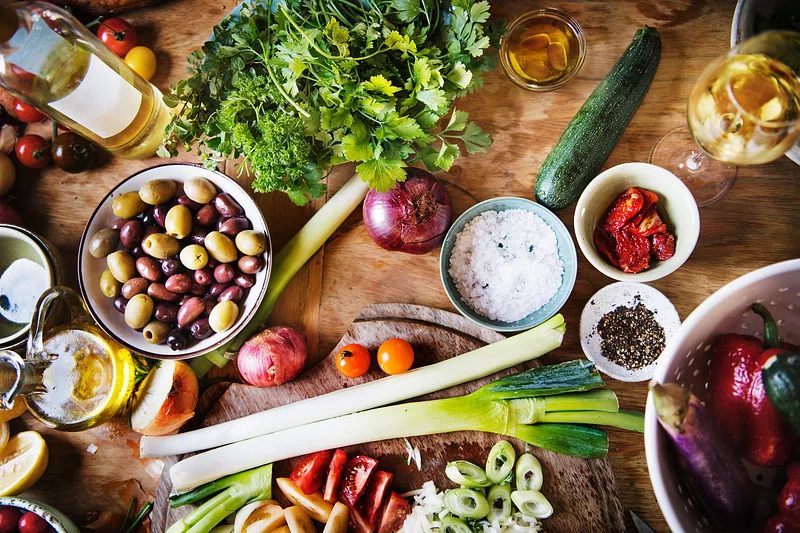
Discover how balanced nutrition fuels your body and mind. Learn what to eat, how to plan your meals, and how to make healthy eating simple and sustainable. | balanced diet, healthy eating, nutrition tips, dietary habits, energy foods
Introduction: Food Is More Than Fuel
In today’s fast-paced world, convenience often wins over nutrition. Many people rely on processed, ready-to-eat meals that are quick but lack essential nutrients. The result? Fatigue, digestive issues, and a weakened immune system.
Balanced nutrition isn’t about dieting — it’s about nourishing your body with the right mix of nutrients it needs to function at its best. It means understanding what to eat, how much, and when. When your nutrition is balanced, you feel more energetic, focused, and resilient.
1. Understanding the Concept of Balanced Nutrition
Balanced nutrition refers to consuming a variety of foods that provide the necessary nutrients — carbohydrates, proteins, fats, vitamins, and minerals — in appropriate proportions.
A good rule to remember:
“Eat real food, not too much, mostly plants.” – Michael Pollan
This approach encourages mindful eating and moderation. A balanced diet should include:
-
Whole grains for sustained energy
-
Lean proteins for muscle repair
-
Healthy fats for brain and heart health
-
Fruits and vegetables for vitamins and antioxidants
-
Plenty of water to stay hydrated
2. The Core Nutrients Your Body Needs
Carbohydrates: Your Body’s Energy Source
Carbs are the body’s primary source of fuel. Choose complex carbohydrates like oats, quinoa, brown rice, and sweet potatoes over refined sugars. Complex carbs digest slowly, keeping your energy levels stable.
🍠 Smart Choice: Replace white rice with brown rice or millets for better fiber and nutrients.
Proteins: The Building Blocks of Life
Proteins repair tissues, build muscles, and support immunity. Include both plant-based (lentils, chickpeas, tofu) and animal-based (chicken, eggs, fish) sources in your meals.
🥚 Daily Target: Adults need about 0.8 grams of protein per kilogram of body weight.
Fats: Not All Are Bad
Healthy fats are vital for hormone balance, brain health, and nutrient absorption. Focus on unsaturated fats found in olive oil, nuts, avocados, and fatty fish.
⚠️ Avoid: Trans fats and excessive fried foods — they increase bad cholesterol and inflammation.
Vitamins and Minerals: The Micronutrient Heroes
These support countless body functions — from immunity to bone strength.
-
Vitamin D: Supports bones and immunity
-
Vitamin C: Helps repair tissues and fight infections
-
Iron & Zinc: Maintain energy and healing
Include colorful vegetables and seasonal fruits daily to ensure a variety of nutrients.
Fiber: The Unsung Hero of Digestion
Fiber promotes healthy digestion and helps maintain blood sugar levels. Foods like oats, flaxseeds, and leafy greens are excellent sources.
🥗 Tip: Add salads or a bowl of fruit to every meal for natural fiber intake.
3. The Importance of Portion Control
Even healthy foods can cause weight gain if eaten in excess. Portion control helps prevent overeating and promotes mindful eating.
🍽️ Practical Tricks:
-
Use smaller plates.
-
Eat slowly — it takes 20 minutes for your brain to register fullness.
-
Stop eating when you’re 80% full (a Japanese practice called Hara Hachi Bu).
4. Meal Planning: The Secret to Consistency
Meal planning prevents last-minute unhealthy choices.
🕐 Weekly Plan Example:
-
Breakfast: Oats, eggs, fruit smoothies
-
Lunch: Brown rice, dal, vegetables, grilled chicken
-
Snacks: Nuts, yogurt, fruit
-
Dinner: Soup, salads, or whole-grain wraps
Planning also saves time, money, and energy — and ensures you meet your daily nutritional goals.
5. Hydration: The Forgotten Nutrient
Water plays a role in nearly every bodily function — digestion, temperature control, joint lubrication, and waste elimination.
💧 Hydration Tips:
-
Drink a glass of water before meals
-
Replace sugary sodas with lemon water or herbal tea
-
Carry a reusable water bottle everywhere
Aim for 8–10 glasses a day.
6. The Role of Gut Health in Nutrition
A healthy gut improves digestion and nutrient absorption. Include probiotics (curd, yogurt, fermented foods) and prebiotics (bananas, garlic, onions) in your diet.
🦠 Did You Know? 70% of your immune cells reside in your gut — making gut health essential to overall well-being.
7. Avoiding Common Nutrition Mistakes
❌ Skipping meals — leads to overeating later.
❌ Over-restrictive diets — harm metabolism.
❌ Excessive sugar — causes inflammation and fatigue.
❌ Ignoring labels — many “healthy” snacks hide sugar and sodium.
Always read nutrition labels and choose whole, unprocessed foods whenever possible.
8. How to Maintain Balanced Nutrition While Eating Out
Dining out doesn’t have to derail your goals.
✅ Choose grilled or steamed options.
✅ Ask for dressing or sauces on the side.
✅ Drink water instead of sugary beverages.
✅ Control portions — share desserts or order half portions.
Balance is about flexibility, not perfection.
9. The Connection Between Mindful Eating and Nutrition
Mindful eating helps you tune into your hunger cues and enjoy food without guilt. Eat without distractions — no phones, no TV. Chew slowly, savor flavors, and stop when full.
🧘 Mindful Practice: Before eating, take a deep breath and appreciate your meal — this builds gratitude and satisfaction.
10. Building a Sustainable Relationship with Food
Healthy eating is a long-term journey. Don’t chase “quick-fix” diets; instead, build a relationship with food based on balance, enjoyment, and nourishment.
You can enjoy your favorite treats occasionally — it’s about overall consistency, not daily perfection.
Conclusion: Nourish to Flourish
Your body is your most loyal companion — fuel it with care. Balanced nutrition empowers you with energy, confidence, and longevity. The key isn’t eating less, but eating right.
Make gradual improvements — add an extra fruit daily, replace refined carbs, and drink more water. Over time, these small steps will lead to major health transformations.
Eat smart. Live strong. Stay nourished.